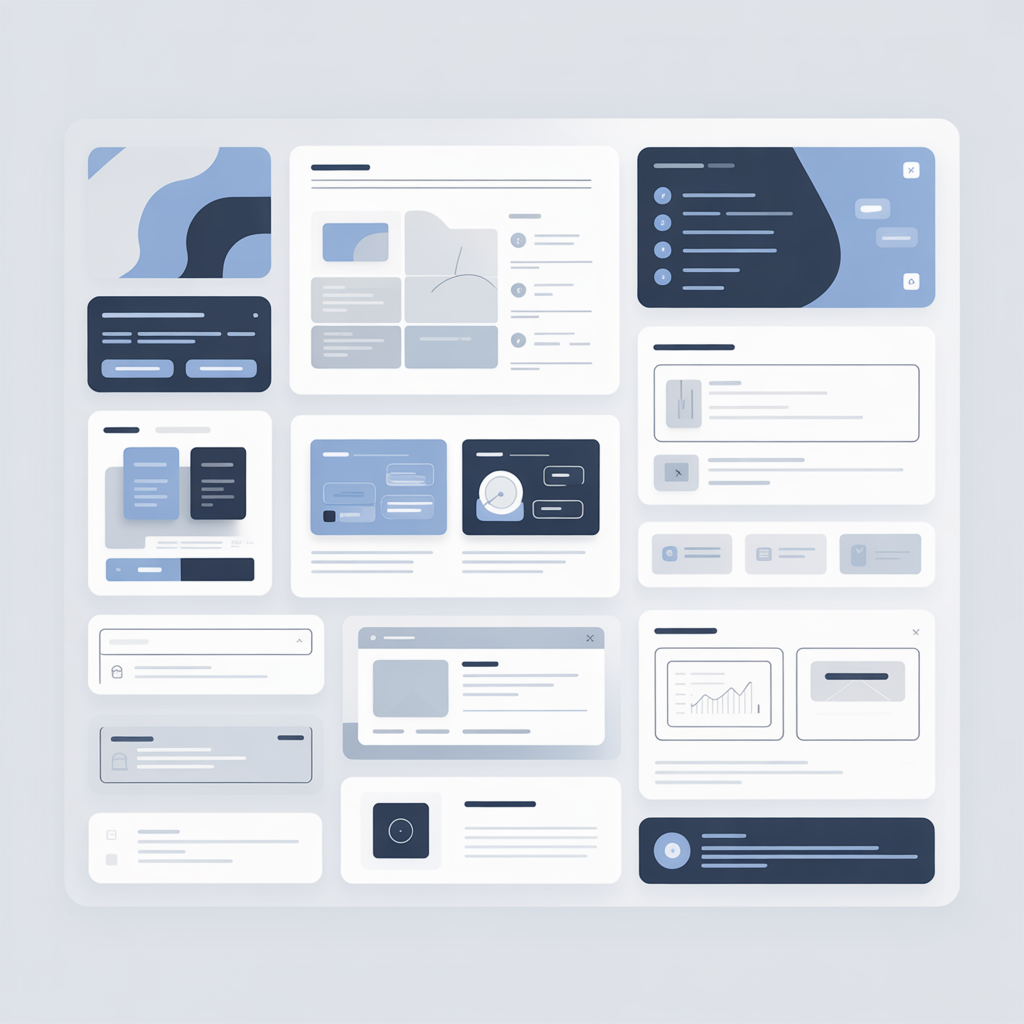
How Digital Hubs Support Structured Access to Internal Content

How Digital Hubs Support Structured Access to Internal Content

Disclaimer: This post is for educational and informational purposes only and does not provide financial advice or investment guidance.

Introduction

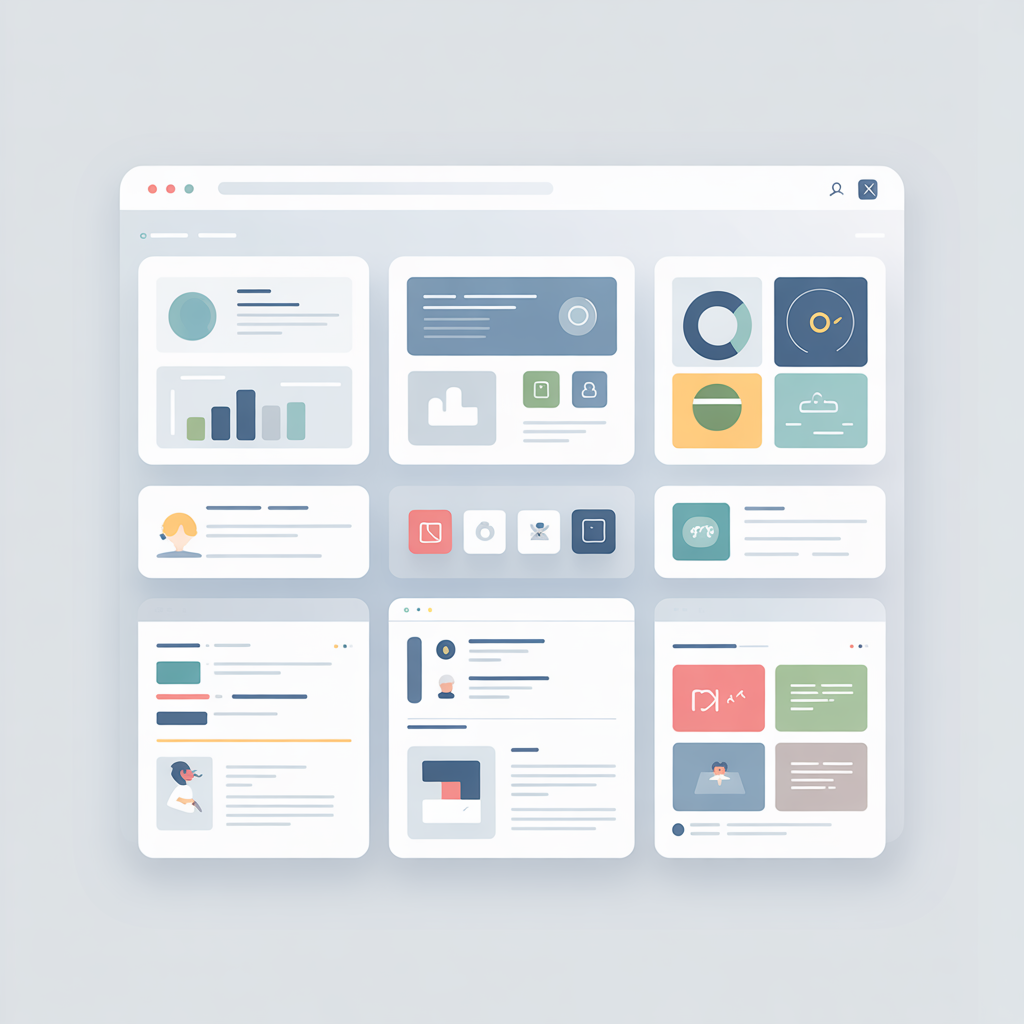
Digital hubs are designed to support structured access to internal content across complex organizational environments. Rather than focusing on individual pages, these platforms emphasize centralized entry points, consistent layouts, and clear navigation paths. This post examines how digital hubs function from an informational perspective and why they are commonly used in enterprise settings.

The content is intended for educational purposes and does not reference any proprietary platform.


The Concept of Centralized Access in Digital Hubs

Centralized access is a defining characteristic of digital hubs. Instead of distributing information across disconnected systems, organizations use hubs to create a unified access layer.

This structure allows users to locate content through a single interface while maintaining separation between different informational areas. In educational contexts, digital hubs are often contrasted with traditional intranet pages to highlight their organizational advantages.


Structuring Content Within a Hub Environment

Content within a digital hub is typically organized into clearly defined sections. These may include overview panels, categorized links, or informational summaries.

Effective structuring relies on:

  • consistent section naming
  • predictable layout patterns
  • logical grouping of related content
  • visual separation between content areas

These elements help users understand where information resides without requiring detailed instructions.


Navigation Flow and User Orientation

Navigation flow refers to how users move between sections within a hub. Digital hubs aim to minimize unnecessary steps by providing direct paths to relevant areas.

Orientation cues such as breadcrumbs, section headers, and visual separators support user awareness. Educational discussions of employee central platforms often emphasize these features as essential for maintaining clarity in large-scale environments.


Neutral Interface Design and Accessibility

Digital hubs typically employ neutral design choices to ensure accessibility across diverse user groups. Color schemes, typography, and layout spacing are selected to reduce visual strain and support readability.

In corporate hubs, design consistency helps users transfer knowledge between sections, reinforcing familiarity and reducing confusion over time.


Informational Perspective on Enterprise Hub Models

From an observational standpoint, enterprise hub models can be examined based on how they balance simplicity and scale. Some hubs prioritize high-level summaries, while others provide deeper access through layered navigation.

General references to systems such as the hub fca or chrysler hub are often used in informational materials to illustrate these models without implying usage, endorsement, or replication.


Conclusion

Digital hubs play a central role in organizing and presenting internal content within enterprise environments. By emphasizing structured access, consistent navigation, and neutral design, these platforms support clarity and usability. Understanding their general characteristics provides insight into how modern corporate portals are commonly structured.

Disclaimer: This post is for educational and informational purposes only and does not provide financial advice or investment guidance.
Posted by admin in Corporate Portal Education, 0 comments
Educational Overview of Corporate Hubs and Digital Workspaces

Educational Overview of Corporate Hubs and Digital Workspaces

Disclaimer: This post is for educational and informational purposes only and does not provide financial advice or investment guidance.

Introduction

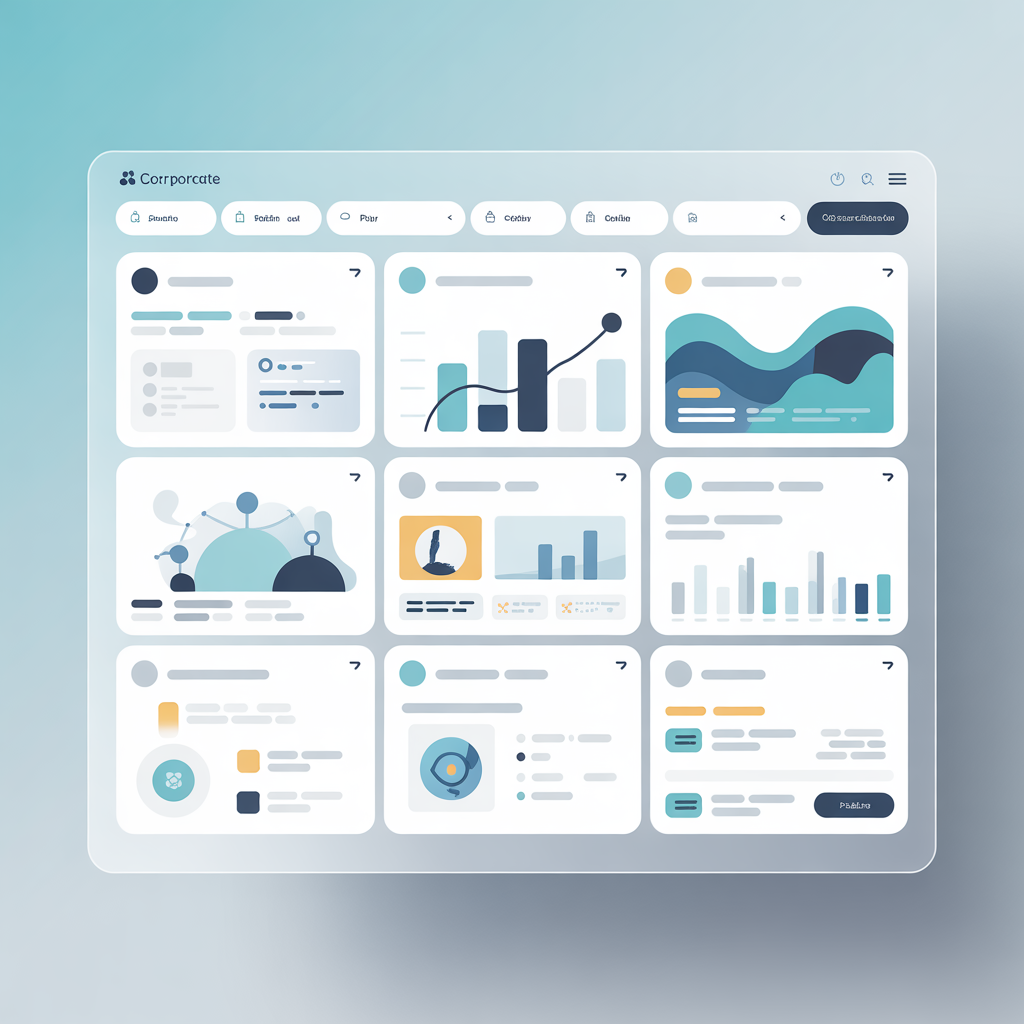
Corporate hubs and digital workspaces are commonly used terms to describe centralized environments where internal information is presented in an organized and accessible format. These platforms support structured navigation, consistent layouts, and clear content categorization. This post provides an educational overview of how corporate hubs function and how they differ from general websites or standalone internal pages.

The discussion remains informational and does not reference or reproduce any proprietary system.


Defining Corporate Hubs in an Enterprise Context

A corporate hub can be described as a central access point that connects multiple informational sections within an organization. Rather than hosting all content directly, the hub often acts as a gateway that directs users to relevant internal areas.

This approach allows organizations to maintain clarity while managing large volumes of content. In educational materials, terms such as the hub fca are often used as conceptual examples to explain this model without referencing a specific implementation.


Digital Workspaces Versus Traditional Internal Pages

Digital workspaces differ from traditional internal pages in both structure and purpose. While individual pages present isolated content, a workspace integrates multiple sections under a unified layout.

Key characteristics of digital workspaces include:

  • centralized dashboards
  • consistent navigation patterns
  • shared design elements
  • scalable content organization

These features help users develop familiarity with the platform over time.


How Employee-Centered Platforms Are Organized

Employee-centered platforms, sometimes referred to as employee central environments, are structured around common informational needs rather than technical complexity. Content is grouped to reflect typical user tasks, such as reviewing updates, accessing reference materials, or navigating to related sections.

This organization reduces the learning curve and supports efficient information retrieval without requiring specialized knowledge.


Interface Design and Neutral Presentation

Corporate hubs emphasize neutral presentation to ensure clarity and accessibility. Visual elements are used sparingly and consistently. Typography, spacing, and alignment are carefully applied to guide users through the interface without distraction.

Educational discussions of digital hubs often highlight this restrained design approach as a key factor in long-term usability across large organizations.


Observational Comparison of Hub-Based Systems

From an informational standpoint, hub-based systems can be compared based on structure rather than functionality. Some hubs emphasize dashboard-driven access, while others rely more heavily on hierarchical menus.

Platforms discussed under general terms such as chrysler hub are often cited in neutral comparisons to illustrate how enterprise environments balance scale and simplicity, without promoting or replicating any specific system.


Conclusion

Corporate hubs and digital workspaces serve as structured environments for organizing internal information. By acting as centralized access points, these platforms support consistency, clarity, and scalability. Understanding their general design principles helps readers interpret how enterprise portals are commonly structured, independent of any particular implementation.

Disclaimer: This post is for educational and informational purposes only and does not provide financial advice or investment guidance.

Posted by admin in Corporate Portal Education, 0 comments
How Enterprise Portals Organize Information and Navigation

How Enterprise Portals Organize Information and Navigation

Disclaimer: This post is for educational and informational purposes only and does not provide financial advice or investment guidance.

Introduction

Enterprise portals are designed to present large volumes of internal information in a structured and accessible way. Unlike public-facing websites, these platforms prioritize clarity, consistency, and logical navigation over visual marketing elements. This post explains how information is commonly organized within enterprise portals and how navigation systems are structured to support efficient access.

The content is presented from an educational and observational perspective without referencing or reproducing any proprietary systems.


The Role of Information Architecture in Enterprise Platforms

Information architecture is the foundation of any enterprise portal. It defines how content is grouped, labeled, and connected. A well-designed structure allows users to understand where information is located without requiring detailed instructions.

Most enterprise platforms rely on hierarchical organization. Content is divided into primary sections, secondary pages, and supporting resources. This approach helps reduce complexity and improves orientation within the system.


Common Navigation Models Used in Corporate Portals

Enterprise portals typically use a limited number of navigation models to maintain consistency.

Top-Level Navigation

This model places primary sections at the top of the interface. It is commonly used when the platform includes a manageable number of core categories.

Side Navigation Panels

Side panels allow deeper content hierarchies and are often used in platforms with extensive documentation or multiple functional areas.

Hub-Based Navigation

In hub-based models, users access grouped content areas through central landing sections. Terms such as fca hub or corporate hubs are often used to describe this structure in an educational context.


Content Grouping and Categorization

Effective portals group information by purpose rather than by department names alone. This may include categories such as announcements, reference materials, internal guides, or platform overviews.

Platforms described as employee central environments often apply this method to ensure that users can locate relevant content based on use cases rather than organizational structure.

Consistent naming conventions and predictable category placement play a key role in reducing confusion.


Visual Cues and Layout Consistency

Visual elements support navigation by reinforcing structure. Spacing, alignment, and color contrast help distinguish between sections without relying on excessive labels.

Enterprise portals typically avoid decorative design in favor of neutral layouts. This approach ensures accessibility and reduces cognitive load, especially when users interact with the platform regularly.


Educational Observations on Portal Usability

From an informational perspective, portal usability depends on how well navigation aligns with user expectations. When menus follow consistent patterns, users can transfer knowledge from one section to another without re-learning the interface.

Platforms discussed under labels such as digital hubs or chrysler hub are often referenced in educational materials to illustrate how large organizations approach structured navigation, without implying direct interaction or endorsement.


Conclusion

Enterprise portals rely on structured information architecture and predictable navigation models to support clarity and usability. By organizing content logically and maintaining consistent layouts, these platforms help users access internal information efficiently. Understanding these design principles provides insight into how corporate digital environments are commonly built and maintained.

Disclaimer: This post is for educational and informational purposes only and does not provide financial advice or investment guidance.

Posted by admin in Corporate Portal Education, 0 comments
Understanding Digital Corporate Portals: Purpose and Structure

Understanding Digital Corporate Portals: Purpose and Structure

Disclaimer: This post is for educational and informational purposes only and does not provide financial advice or investment guidance.

Introduction

Digital corporate portals are widely used across organizations to centralize internal information, tools, and resources. These platforms are designed to support structured access to workplace content while maintaining clarity, consistency, and usability. This article provides an educational overview of what digital corporate portals are, how they are typically structured, and why they play an important role in modern organizational environments.

The goal of this post is to explain general concepts and design principles without referencing or replicating any specific proprietary system.


What Is a Digital Corporate Portal

A digital corporate portal is an internal-facing platform that brings together various informational sections into a single interface. It often serves as a central point where users can view announcements, navigate to internal pages, and access shared documentation.

Such portals are commonly used in large organizations where information needs to be presented in a structured and standardized manner. Rather than functioning as a public website, these platforms focus on internal clarity and organized content delivery.

In many discussions, these systems are also referred to as corporate hubs, digital hubs, or internal workspaces.


Common Structural Elements of Corporate Portals

Although layouts vary, most corporate portals share similar structural components:

Central Dashboard

The dashboard is typically the first screen users encounter. It provides a high-level overview of available sections, updates, or informational panels.

Navigation Menus

Navigation menus are designed to organize content into logical categories. These menus may appear horizontally, vertically, or as expandable sections depending on the interface design.

Informational Sections

Portals often include sections dedicated to internal updates, reference materials, or procedural explanations. These areas are designed for clarity rather than promotion or interaction.

Visual Hierarchy

Consistent spacing, typography, and color usage help guide users through content without overwhelming them. This is especially important in enterprise environments where information density can be high.


How Corporate Hubs Support Information Access

Corporate hubs are designed to reduce fragmentation by consolidating resources into a single environment. Instead of navigating multiple disconnected systems, users can rely on one structured platform to locate information efficiently.

Terms such as employee central, digital hubs, or corporate hubs are often used to describe this centralized approach. Regardless of naming conventions, the core principle remains the same: structured access to internal content.


Design Principles Behind Digital Portals

Effective digital portals are built with several key principles in mind:

  • Consistency: Repeating layout patterns improve usability
  • Clarity: Clear labeling helps users understand where information is located
  • Scalability: The structure allows new sections to be added over time
  • Neutral Presentation: Content is displayed informatively rather than persuasively

These principles help ensure that the portal remains useful as organizational needs evolve.


Educational Perspective on Portal Navigation

From an educational standpoint, understanding portal navigation involves recognizing patterns rather than memorizing steps. Users benefit when interfaces follow predictable structures, such as grouped sections and logical page hierarchies.

Informational platforms like the hub fca or chrysler hub are often discussed in educational contexts as examples of how large-scale portals organize content, without implying direct usage or endorsement.


Conclusion

Digital corporate portals serve as structured environments for presenting internal information. By focusing on layout, navigation, and clarity, these platforms help organizations maintain consistency across complex systems. Understanding their general structure and purpose allows readers to better interpret how enterprise platforms are designed, without relying on any specific service or implementation.

Disclaimer: This post is for educational and informational purposes only and does not provide financial advice or investment guidance.

Posted by admin in Corporate Portal Education, 0 comments