Disclaimer: This post is for educational and informational purposes only and does not provide financial advice or investment guidance.
Introduction
Digital hubs are designed to support structured access to internal content across complex organizational environments. Rather than focusing on individual pages, these platforms emphasize centralized entry points, consistent layouts, and clear navigation paths. This post examines how digital hubs function from an informational perspective and why they are commonly used in enterprise settings.
The content is intended for educational purposes and does not reference any proprietary platform.
The Concept of Centralized Access in Digital Hubs
Centralized access is a defining characteristic of digital hubs. Instead of distributing information across disconnected systems, organizations use hubs to create a unified access layer.
This structure allows users to locate content through a single interface while maintaining separation between different informational areas. In educational contexts, digital hubs are often contrasted with traditional intranet pages to highlight their organizational advantages.
Structuring Content Within a Hub Environment
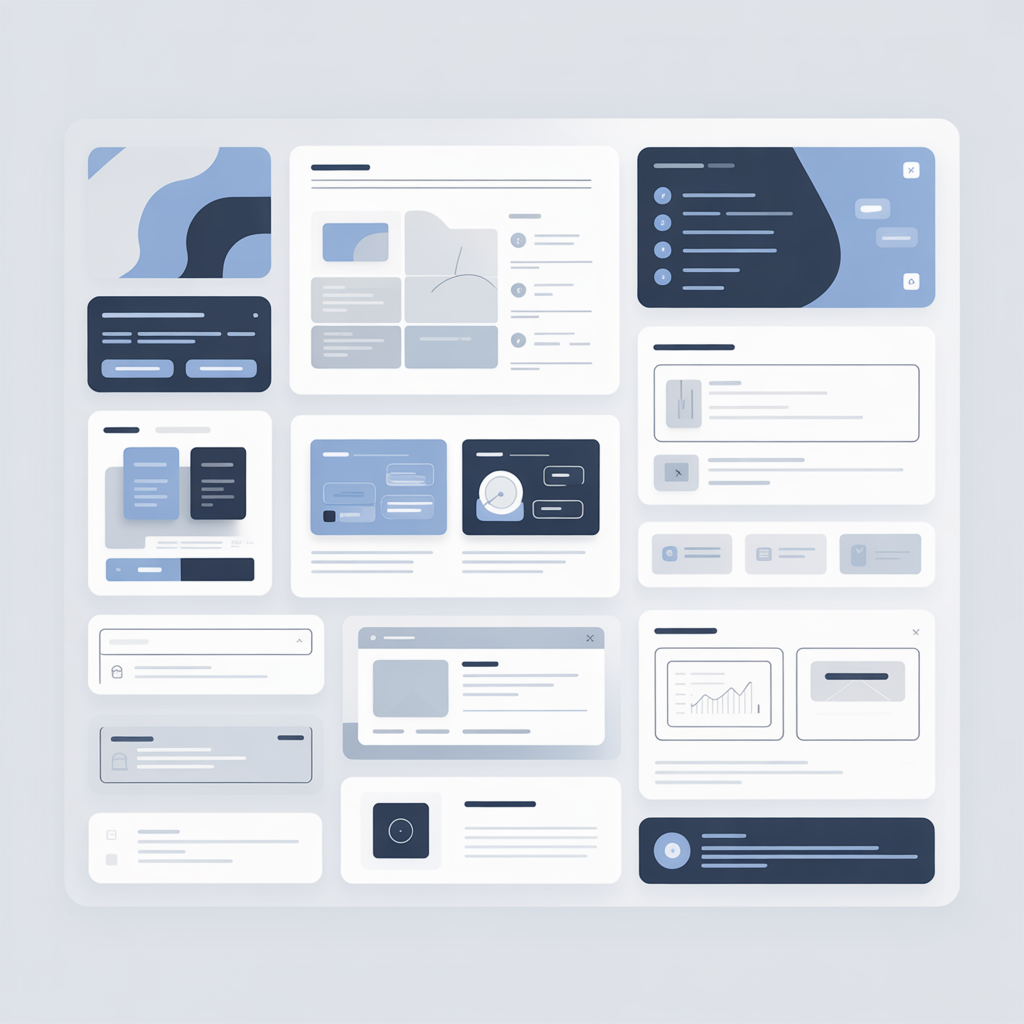
Content within a digital hub is typically organized into clearly defined sections. These may include overview panels, categorized links, or informational summaries.
Effective structuring relies on:
- consistent section naming
- predictable layout patterns
- logical grouping of related content
- visual separation between content areas
These elements help users understand where information resides without requiring detailed instructions.
Navigation Flow and User Orientation
Navigation flow refers to how users move between sections within a hub. Digital hubs aim to minimize unnecessary steps by providing direct paths to relevant areas.
Orientation cues such as breadcrumbs, section headers, and visual separators support user awareness. Educational discussions of employee central platforms often emphasize these features as essential for maintaining clarity in large-scale environments.
Neutral Interface Design and Accessibility
Digital hubs typically employ neutral design choices to ensure accessibility across diverse user groups. Color schemes, typography, and layout spacing are selected to reduce visual strain and support readability.
In corporate hubs, design consistency helps users transfer knowledge between sections, reinforcing familiarity and reducing confusion over time.
Informational Perspective on Enterprise Hub Models
From an observational standpoint, enterprise hub models can be examined based on how they balance simplicity and scale. Some hubs prioritize high-level summaries, while others provide deeper access through layered navigation.
General references to systems such as the hub fca or chrysler hub are often used in informational materials to illustrate these models without implying usage, endorsement, or replication.
Conclusion
Digital hubs play a central role in organizing and presenting internal content within enterprise environments. By emphasizing structured access, consistent navigation, and neutral design, these platforms support clarity and usability. Understanding their general characteristics provides insight into how modern corporate portals are commonly structured.
Disclaimer: This post is for educational and informational purposes only and does not provide financial advice or investment guidance.
