Disclaimer: This post is for educational and informational purposes only and does not provide financial advice or investment guidance.
Introduction
Corporate hubs and digital workspaces are commonly used terms to describe centralized environments where internal information is presented in an organized and accessible format. These platforms support structured navigation, consistent layouts, and clear content categorization. This post provides an educational overview of how corporate hubs function and how they differ from general websites or standalone internal pages.
The discussion remains informational and does not reference or reproduce any proprietary system.
Defining Corporate Hubs in an Enterprise Context
A corporate hub can be described as a central access point that connects multiple informational sections within an organization. Rather than hosting all content directly, the hub often acts as a gateway that directs users to relevant internal areas.
This approach allows organizations to maintain clarity while managing large volumes of content. In educational materials, terms such as the hub fca are often used as conceptual examples to explain this model without referencing a specific implementation.
Digital Workspaces Versus Traditional Internal Pages
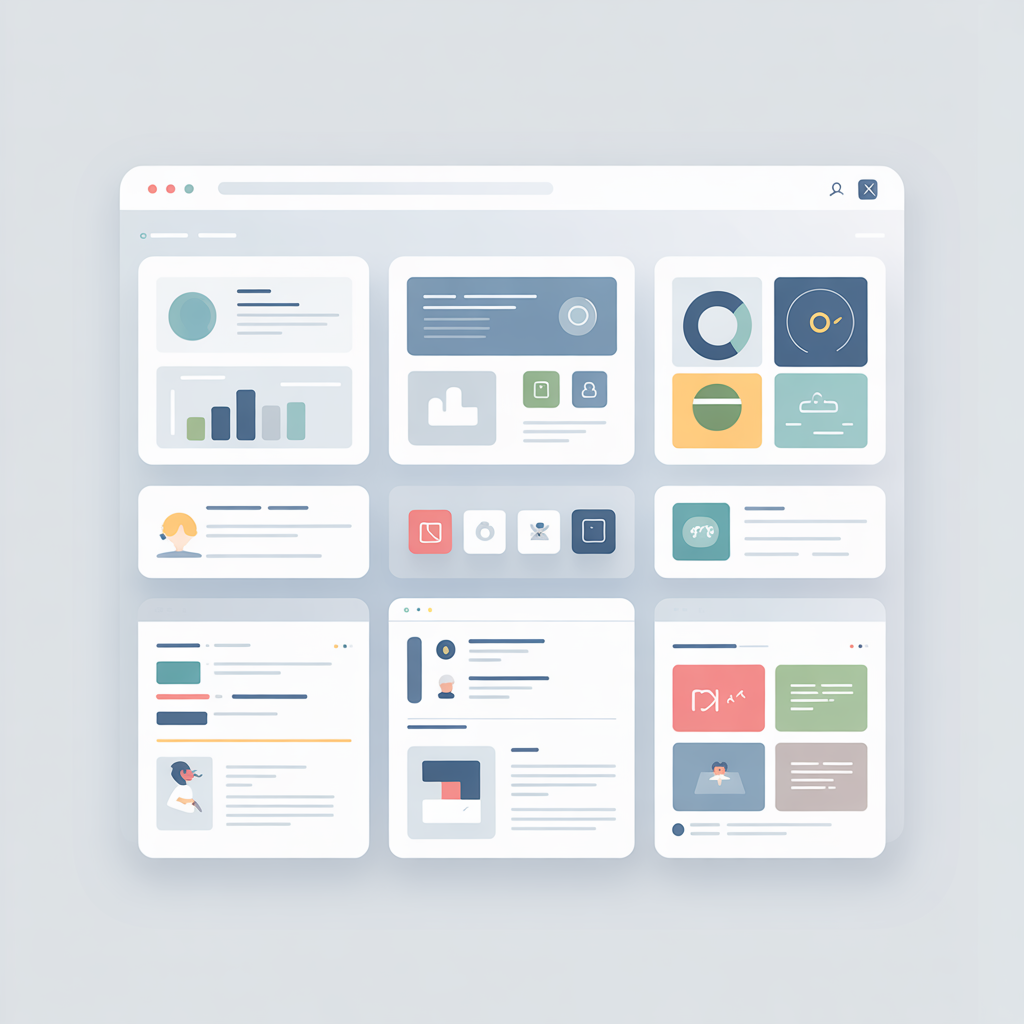
Digital workspaces differ from traditional internal pages in both structure and purpose. While individual pages present isolated content, a workspace integrates multiple sections under a unified layout.
Key characteristics of digital workspaces include:
- centralized dashboards
- consistent navigation patterns
- shared design elements
- scalable content organization
These features help users develop familiarity with the platform over time.
How Employee-Centered Platforms Are Organized
Employee-centered platforms, sometimes referred to as employee central environments, are structured around common informational needs rather than technical complexity. Content is grouped to reflect typical user tasks, such as reviewing updates, accessing reference materials, or navigating to related sections.
This organization reduces the learning curve and supports efficient information retrieval without requiring specialized knowledge.
Interface Design and Neutral Presentation
Corporate hubs emphasize neutral presentation to ensure clarity and accessibility. Visual elements are used sparingly and consistently. Typography, spacing, and alignment are carefully applied to guide users through the interface without distraction.
Educational discussions of digital hubs often highlight this restrained design approach as a key factor in long-term usability across large organizations.
Observational Comparison of Hub-Based Systems
From an informational standpoint, hub-based systems can be compared based on structure rather than functionality. Some hubs emphasize dashboard-driven access, while others rely more heavily on hierarchical menus.
Platforms discussed under general terms such as chrysler hub are often cited in neutral comparisons to illustrate how enterprise environments balance scale and simplicity, without promoting or replicating any specific system.
Conclusion
Corporate hubs and digital workspaces serve as structured environments for organizing internal information. By acting as centralized access points, these platforms support consistency, clarity, and scalability. Understanding their general design principles helps readers interpret how enterprise portals are commonly structured, independent of any particular implementation.
Disclaimer: This post is for educational and informational purposes only and does not provide financial advice or investment guidance.
